
Managed Workstation and Endpoint Support
Endpoint management, patching, EDR, Microsoft Intune, remote support, device monitoring, and workstation lifecycle planning.
DSE Security helps businesses keep laptops, desktops, and mobile devices secure, updated, monitored, and easier to support. Our managed workstation services reduce downtime, improve endpoint security, support hybrid work, and give users a more reliable daily technology experience.

Service definition
What does Managed Workstation Support include?
Managed workstation support keeps business desktops and laptops configured, patched, protected, documented, and available to users. DSE supports Michigan companies and organizations with endpoint setup, custom business PCs and workstations, device management, in-depth troubleshooting and repair, custom liquid-cooling support, security controls, Microsoft 365 access, and lifecycle planning. DSE does not provide individual or residential computer repair.
Assess, standardize, protect, and support every workstation.
DSE helps organizations move away from inconsistent endpoint support and toward a cleaner workstation environment with stronger security, better user support, and clearer device lifecycle planning.
Secure, standardized workstations for a more productive team.
DSE delivers policy-driven endpoint environments designed to reduce security gaps while supporting workforce productivity. Our managed workstation solutions use automated provisioning, standardized configurations, continuous telemetry, and automated patch management to keep devices aligned with your security baseline without disrupting users.
Core workstation services from one DSE team.
Protect users, devices, identities, cloud access, and workstation performance with a managed endpoint strategy built around daily business operations.
Managed endpoint protection and workstation governance.
DSE helps enforce security baselines across your workstation fleet with centralized monitoring, automated provisioning, standardized configurations, and continuous endpoint telemetry.
- Managed laptops, desktops, and mobile devices
- Standardized workstation configuration baselines
- Remote monitoring and endpoint visibility
- Device lifecycle planning and replacement guidance
Microsoft Intune device governance and managed mobility.
DSE supports Microsoft Intune mobile device management for iOS, Android, and Windows devices. Conditional Access, encryption controls, zero-touch provisioning, and remote wipe capabilities help protect corporate data wherever work happens.
- Microsoft Intune device management
- Conditional Access and encryption support
- Remote wipe and zero-touch provisioning
- Mobile device and hybrid-work governance
Hardened endpoint defense with Microsoft Defender for Business.
DSE helps secure managed workstations through hardened configurations, strict policy enforcement, and Microsoft Defender integration. Real-time threat detection, attack surface reduction, automated remediation, and EDR capabilities support a stronger Zero Trust endpoint posture.
- Endpoint detection and response support
- Attack surface reduction and remediation
- Defender policy alignment and monitoring
- Endpoint alerts and security hardening guidance
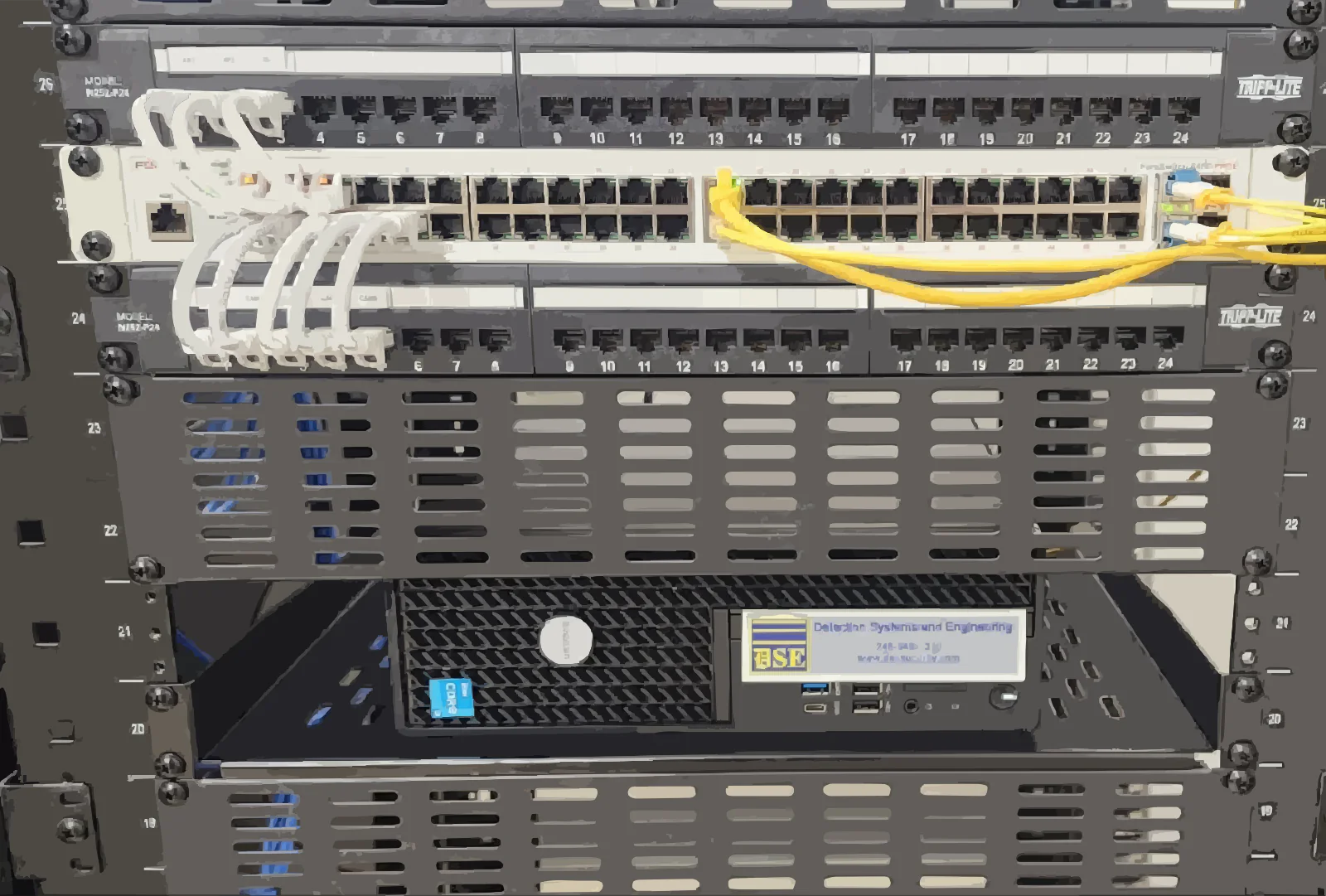
Proactive endpoint support and workstation monitoring.
DSE understands that workstation support availability is critical to business continuity. Our MSP team uses proactive endpoint monitoring to detect and resolve performance bottlenecks, security issues, device health problems, and configuration drift before they disrupt users.
With remote support and real-time remediation, your managed devices stay optimized, audit-ready, and available for the people who rely on them every day.
- Remote help desk and endpoint support
- Device health monitoring and alerts
- Proactive performance and security remediation
- Reduced interruption for onsite, remote, and hybrid users
Scalable Azure infrastructure and Microsoft Entra ID governance.
DSE supports secure, scalable Microsoft Cloud environments designed to modernize legacy infrastructure and streamline operations. Azure services, Microsoft 365, and Microsoft Entra ID help create identity-driven access control, resilient workloads, and automated policy enforcement.
- Microsoft 365 and Azure support
- Identity-driven access control
- Cloud policy and governance alignment
- Access controls connected to users and devices
Workstation performance optimization and proactive health monitoring.
DSE keeps workstations performing reliably through continuous health monitoring, enforced configuration baselines, patching oversight, and proactive hardware maintenance. Real-time metrics and alerting help identify issues before they impact employee productivity.
- Performance monitoring and device health alerts
- Configuration baseline enforcement
- Hardware and operating system maintenance guidance
- Lifecycle planning before devices become a liability
Common questions about workstation and endpoint support.
Use these answers to help buyers understand what DSE manages and how endpoint support improves reliability and security.
What are managed workstation services?
Managed workstation services help businesses monitor, secure, patch, support, and manage laptops, desktops, mobile devices, endpoint protection, workstation performance, and device lifecycle planning.
Can DSE help with Microsoft Intune?
Yes. DSE supports Microsoft Intune device management, Conditional Access alignment, device enrollment, policy baselines, encryption support, remote wipe capabilities, and mobile device governance.
Does DSE provide endpoint protection and EDR?
Yes. DSE can support endpoint protection, EDR, Microsoft Defender for Business, attack surface reduction, patching, alert review, and endpoint security policy alignment.
Can managed workstations reduce downtime?
Yes. Managed workstation support can reduce downtime through proactive monitoring, patching, remote support, device health alerts, performance review, and lifecycle planning.
Add software and website engineering to the managed technology roadmap.
DSE can connect custom applications and public websites with the same scoped, security-minded approach used across managed technology.
Custom Software Development
Purpose-built business applications and workflow tools scoped around operational needs, integrations, users, security, and maintainability.
Explore serviceCustom Software Repair & Modernization
Evidence-led diagnosis and remediation for eligible custom or legacy applications, including defects, instability, compatibility problems, and modernization planning.
Explore serviceWebsite Creation
Modern business websites planned around clear information architecture, responsive design, accessibility-aware UX, trustworthy content, technical SEO, and measurable actions.
Explore serviceWebsite Optimization
Structured reviews and improvements for performance, crawlability, metadata, structured data, accessibility-aware UX, content clarity, conversion paths, and maintainability.
Explore serviceWebsite Hosting
Scope-defined hosting and care that can include deployment, TLS, updates, backups, monitoring, staging, recovery planning, and support.
Explore serviceEndpoint support that keeps users productive and devices better protected.
DSE supports workstations with patching, endpoint protection, Microsoft Intune, Defender, remote support, secure configuration, lifecycle planning, and user help.
Common Problems We Solve
- Inconsistent workstation setup, updates, and endpoint protection.
- Users waiting too long for practical support.
- Poor visibility into device health, ownership, or lifecycle.
- Identity, Microsoft 365, and endpoint policies that are not aligned.
What's Included
- Device baseline and security review
- Patching, endpoint protection, Intune, Defender, and remote support planning
- User support, documentation, and lifecycle guidance
- Microsoft identity and access coordination
Ideal For
- Office teams
- Hybrid workforces
- Regulated or high-trust environments
- Organizations standardizing devices and support
Why Choose DSE
- Security-minded IT support from a team that understands physical systems too.
- Practical roadmap planning for uptime, Microsoft cloud, identity, endpoints, and cyber risk.
- Local accountability for support, documentation, lifecycle planning, and escalation.
Request a workstation assessment from DSE.
From managed workstations and Microsoft Intune to endpoint defense, patch management, cloud identity, remote support, and workstation monitoring, DSE can help build a managed endpoint strategy around your users, devices, and business needs.